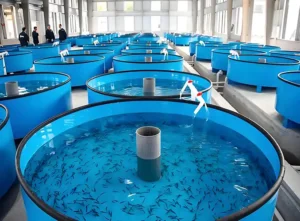
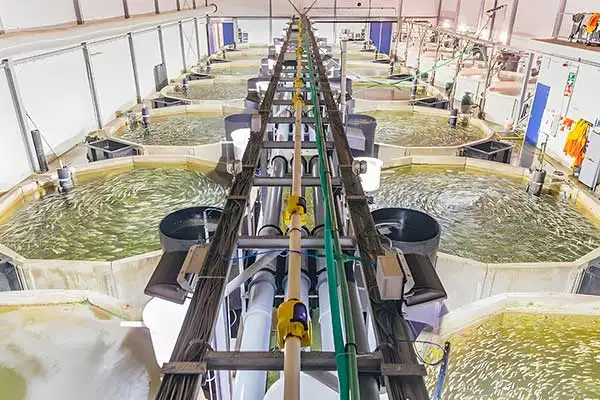
As modern aquaculture evolves towards high-density, intensive farming, water quality management has become pivotal to success. Among numerous water treatment technologies, ozone technology garners significant attention for its potent sterilisation and purification capabilities. However, implementing an ozone generator system demands substantial initial investment. For factory-based aquaculture, does this investment yield sufficient returns? This article delves into the cost-benefit analysis of ozone generators to help determine whether this investment proves worthwhile.
I. Conceptual Analysis: What Role Does Ozone Technology Play in Aquaculture?
Before discussing cost-benefit, we must first clarify the core function of ozone generators in intensive aquaculture. Ozone (O₃) is a potent oxidising agent whose disinfection capabilities far surpass traditional chlorine-based treatments. Crucially, it decomposes into oxygen (O₂) after reaction, leaving virtually no harmful residues.
Within recirculating aquaculture systems (RAS), ozone generators are typically integrated into water treatment processes. Their primary functions include:
Potent Sterilisation and Disinfection: Rapidly eliminates bacteria, viruses, fungi, and parasite eggs in aquatic environments, preventing disease outbreaks at source.
Water Purification and Improvement: Effectively decomposes harmful substances such as organic matter, ammonia nitrogen, and nitrites, reducing chemical oxygen demand (COD) and enhancing water transparency.
Oxygenation: The oxygen released upon ozone decomposition directly supplements dissolved oxygen levels in water bodies, creating a superior habitat for high-density aquaculture.
Ozone technology functions as an all-round purifier for aquaculture water systems, aiming to establish a cleaner, more stable, and safer aquatic environment.
II. Investment Cost Analysis: Tangible Financial and Resource Expenditure
Implementing an ozone system necessitates addressing direct capital investment upfront. This calculation primarily encompasses two aspects: initial equipment investment and long-term operational costs.
-
Initial Equipment Investment
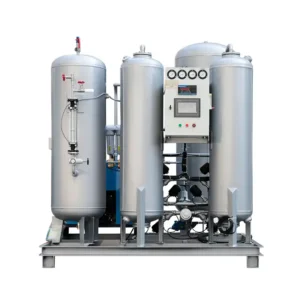
This represents the largest upfront expenditure. The price of an industrial-grade ozone generator ranges from several thousand to hundreds of thousands of yuan, primarily determined by its ozone output (measured in grams per hour, g/h), technological method (e.g., corona discharge), brand, and the completeness of ancillary equipment (such as mixing devices and exhaust gas destroyers).
For instance, a small-to-medium-sized farm might opt for a unit producing 20-50g/h, typically requiring an investment of tens of thousands of yuan. Conversely, large-scale industrial farming operations may require systems producing 100g/h or more, naturally incurring significantly higher investment costs.
-
Long-Term Operational Costs
Purchasing the equipment is merely the first step; sustained operational costs are paramount in determining long-term economic viability.
Electricity Consumption: Ozone generators are power-consuming devices, with electricity costs constituting the primary component of operational expenses. Higher-output equipment consumes greater power, leading to increased electricity bills. Selecting units with high energy efficiency ratios can yield substantial long-term savings.
Maintenance and Depreciation: Although modern ozone generators are designed for durability, regular inspections and maintenance remain essential, including cleaning discharge tubes and replacing aged consumables. Furthermore, the equipment itself depreciates over its typical 5-10 year lifespan, necessitating the amortisation of this cost annually.
Consequently, when evaluating investment, one must not focus solely on the purchase price. Long-term costs such as electricity bills and maintenance fees must be factored in for a comprehensive assessment.
III.Output Benefit Analysis: The Invisible Yet Substantial Returns
Having invested substantial capital, what tangible outputs and benefits can an ozone generator deliver? These benefits can be categorised into direct economic returns and indirect value enhancement.
-
Direct Economic Returns (Quantifiable)
This constitutes the most fundamental metric for measuring the input-output ratio, directly impacting the farm’s profitability.
Significant Reduction in Disease Mortality Rates: This represents the most pronounced benefit of ozone systems. By effectively controlling pathogenic microorganisms in the water, mortality rates caused by bacterial or viral diseases are markedly reduced. Data indicates that, under proper management, introducing an ozone system can lower disease mortality rates by 20%–40%, or even higher. This translates to a greater number of market-ready products from the same initial stocking density.
Reduced medication and chemical costs: Ensuring water quality and lowering disease incidence in fish and shrimp naturally reduces the need for antibiotics, disinfectants, and other pharmaceuticals. This not only directly saves on medication procurement costs but, more importantly, avoids the various risks associated with overuse of drugs.
Enhanced stocking density and growth rates: A superior and stable water environment permits farmers to stock more fry per unit volume. Typically, stocking density can be safely increased by 15%–30%. Concurrently, a low-stress, high-oxygen environment facilitates feeding and growth in aquatic animals, shortening production cycles and accelerating capital turnover.
-
Indirect Value Enhancement (Difficult to Quantify but Significant)
Beyond direct financial returns, ozone technology delivers a range of valuable indirect benefits.
Enhanced Product Quality and Food Safety: Reduced medication usage results in aquatic products free from drug residues or with minimal residues, offering superior quality that better meets the demands of premium markets and commands higher sales premiums.
Enhanced Production Stability: The greatest fear in factory farming is catastrophic losses like ‘pond collapse’ caused by sudden water quality deterioration. Ozone systems act as a safety firewall, significantly bolstering the entire production system’s resilience to risks and ensuring continuous, stable output.
Building Brand and Environmental Credibility: Adopting advanced, eco-friendly aquaculture techniques inherently demonstrates brand strength. This helps establish a responsible, high-tech environmental image, earning consumer and partner trust in competitive markets.
Overall, while initial investment is substantial, ozone generators offer significant long-term returns through reduced mortality rates, saved medication costs, increased yields, and enhanced product value.
The answer to ‘Is an ozone generator cost-effective?’ is not absolute. However, for factory-farming enterprises pursuing high yields, efficiency, and quality, it typically represents a prudent long-term investment. Its costs are upfront and tangible, while its benefits are sustained and compounding. It serves not merely as a tool for water quality management but as a strategic asset enhancing the competitiveness of the entire farming system.
Before finalising your decision, we recommend contacting a specialist supplier for a detailed cost-benefit assessment tailored to your farm’s scale, species, and financial circumstances.
Frequently Asked Questions (FAQ)
Q1: Ozone itself is toxic. Could its use in aquaculture harm fish or shrimp?
A: Direct exposure to high-concentration ozone is indeed harmful to aquatic life. However, within standardised recirculating aquaculture systems, ozone treatment typically occurs in dedicated reaction tanks. Treated water subsequently undergoes deozonation processes such as aeration or activated carbon filtration, ensuring residual ozone concentrations remain within safe limits upon entering the rearing tanks. The critical factors are scientifically designed systems and precise dosage control.
Q2: How do I select an appropriately sized ozone generator for my farm?
A: Selecting the appropriate model requires comprehensive consideration of multiple factors, including total water volume, circulation flow rate, stocking density, species-specific water quality requirements, and pollutant load in the water. The standard calculation method involves determining the required ozone concentration in water (mg/L) and flow rate (m³/h). It is strongly recommended to consult a professional equipment supplier or aquaculture engineer, who can perform precise calculations and recommend the most cost-effective model.