
Oxygen Generator for Fish Farming: 2026 Complete Buyer’s & Operations Guide
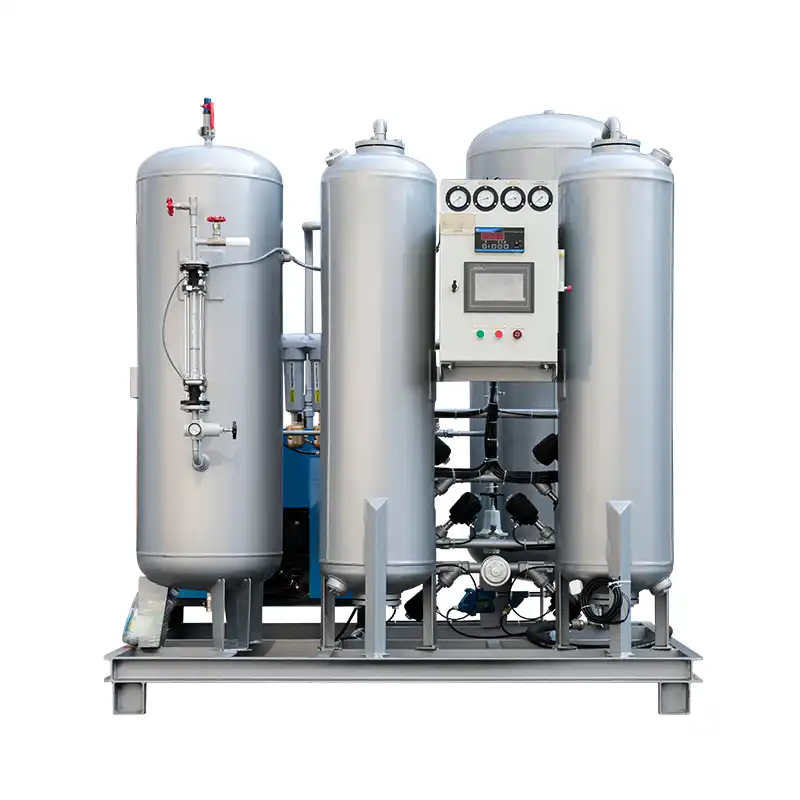
An oxygen generator for fish farming is an on-site system that extracts high-purity oxygen directly from ambient air and delivers it into aquaculture water to maintain optimal dissolved oxygen (DO) levels. Whether you manage a recirculating aquaculture system (RAS), open ponds, raceways, or hatcheries, choosing the right aquaculture oxygenation system can determine your stock survival, […]
Is Ozone Safe in Seawater RAS? 2026 Expert Safety & Dosing Guide
Yes — ozone is safe in seawater RAS when you apply strict dosing controls, continuous ORP monitoring, and proper by-product removal. The critical difference between freshwater and seawater ozone use is one chemical: bromide. Ozonation of brackish or seawater produces different by-product oxidants than freshwater. Ozone reacts with bromide and chloride ions in saltwater to produce relatively […]
How Do I Size an Ozone Generator for Aquaculture?
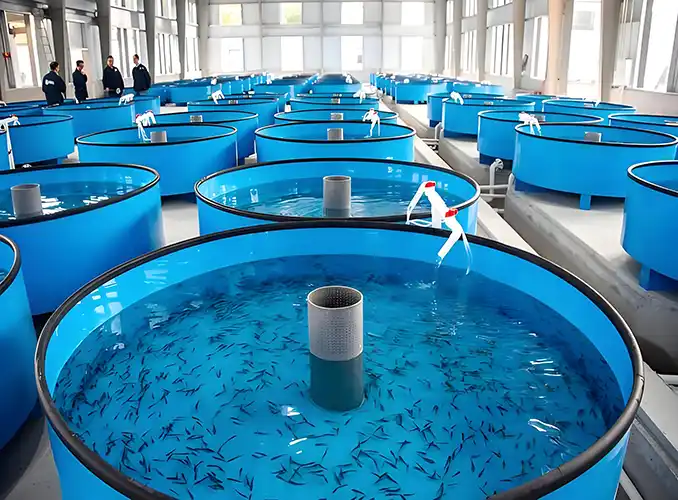
You size an ozone generator for aquaculture primarily by calculating your daily feed input and applying the industry-standard feed-to-ozone ratio — approximately 10–16 grams of ozone per kilogram of feed for cold-water finfish, and up to 25 g O₃/kg feed for crustacean species. This guide breaks down every variable you need — water volume, flow […]
Why Do Fish Farms Use Ozone? Expert Guide to Aquaculture Water Treatment (2026)
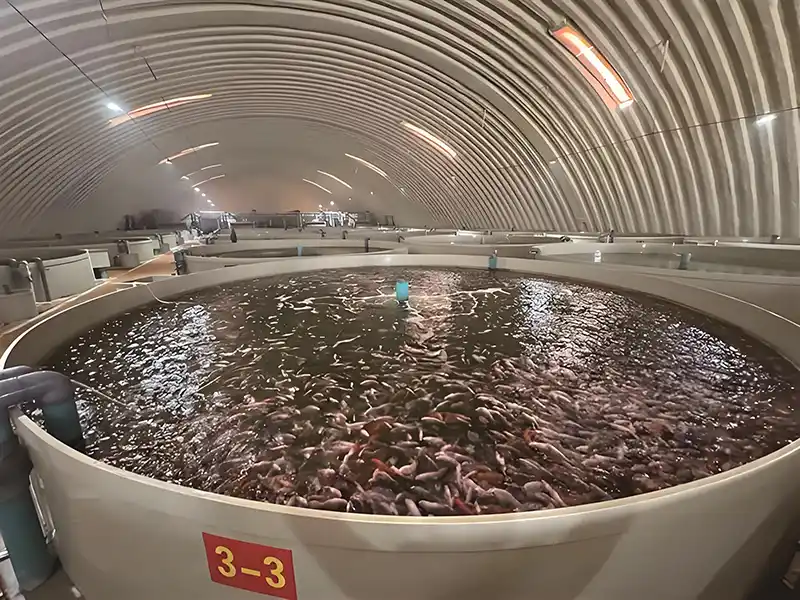
Fish farms use ozone because it is the most effective chemical-free method to disinfect water, eliminate pathogens, remove organic waste, and boost dissolved oxygen levels — all in a single treatment step. Ozone generators are used in aquaculture and aquafarming to improve water quality, enhance water treatment system efficiency, and reduce pathogens. Ozone has virtually […]
What Does Ozone Do in a Recirculating Aquaculture System (RAS)?
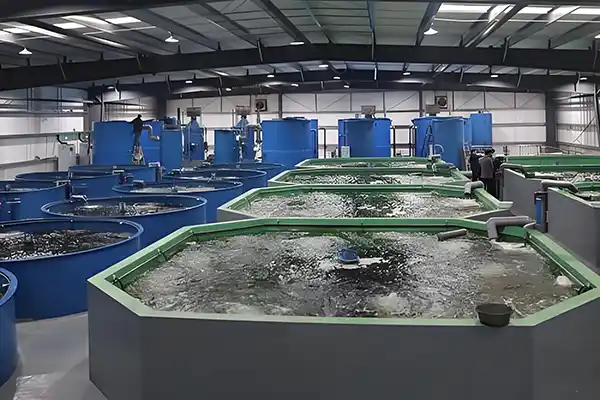
Ozone acts as a powerful oxidant in a recirculating aquaculture system (RAS), where it disinfects water, breaks down dissolved organic matter, improves water clarity, and promotes healthier fish growth. Ozone is used in RAS as a disinfectant, to remove organic carbon, and also to remove turbidity, algae, color, odor and taste. With over a decade […]
What Is an Ozone Generator for Aquaculture? | 2026 Expert Guide
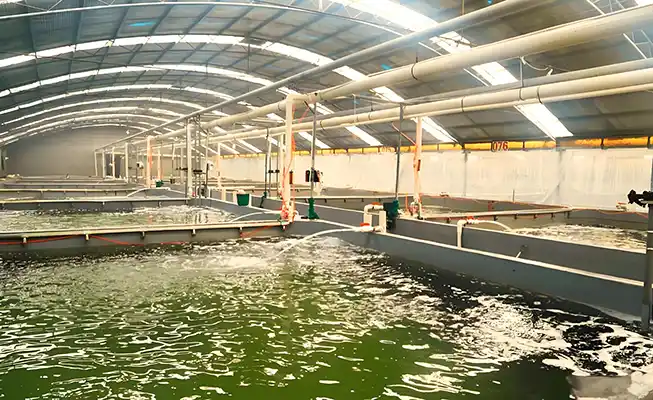
An ozone generator for aquaculture is a device that produces ozone gas (O₃) used to treat water in aquaculture systems. Ozone is a powerful oxidant capable of disinfecting water and removing organic compounds, pathogens, and other contaminants that can harm fish and aquatic organisms. In this guide, we cover exactly how an ozone generator works […]
What Is the Purpose of Ozone in Water? 2026 Aquaculture Guide
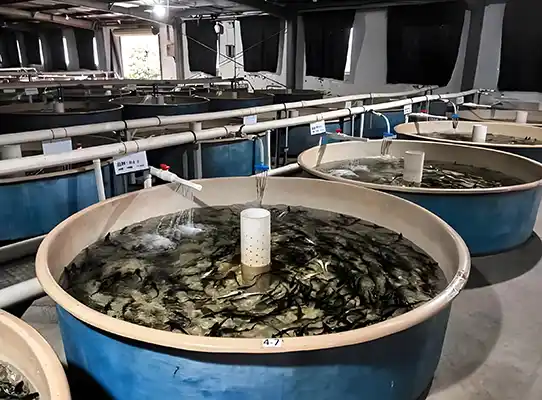
Ozone (O₃) is a powerful oxidant used in both the aquaculture and water treatment industries to improve water quality and reduce pathogens during pretreatment, treatment of effluent, as a continual treatment during RAS operations, and for bivalve depuration. If you manage a fish farm, shrimp hatchery, or any recirculating aquaculture system (RAS), understanding the purpose […]
Is Ozone Better Than UV Light for Aquaculture?
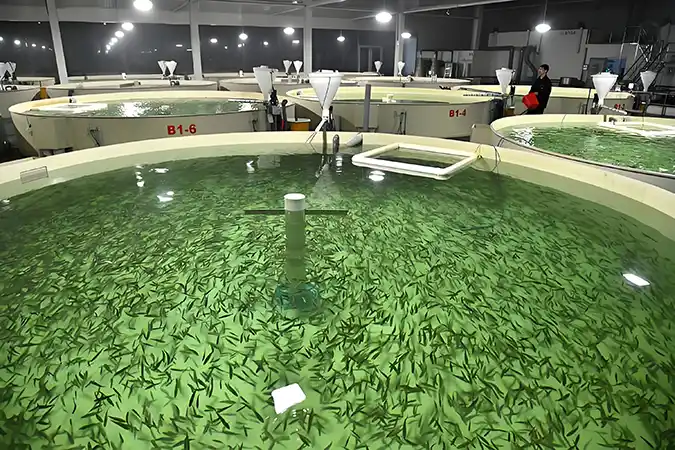
Ozone is not universally better than UV light in aquaculture — each technology solves a different problem, and most high-performing RAS facilities use both. Rather than competing, UV and ozone are considered complementary technologies, and each system can have various process advantages depending on the disinfection need. Ozone excels at oxidizing dissolved organics, improving water […]
Does Ozone Increase pH? 2026 Aquaculture Expert Guide
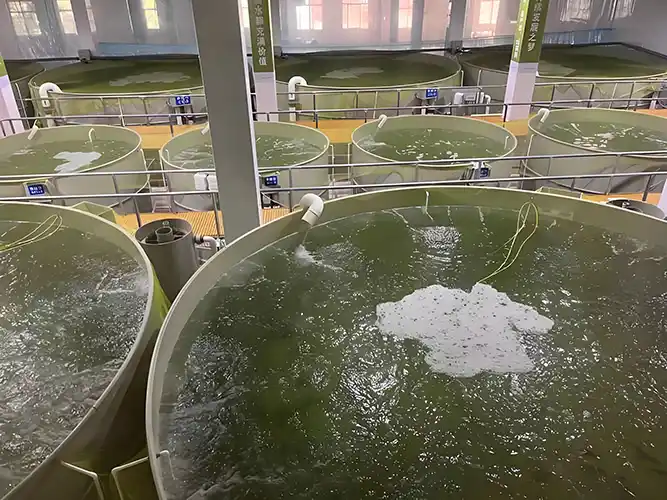
In commercial aquaculture systems, ozone does not cause a permanent increase in pH levels; any pH changes from ozone application are minor, temporary, and driven by secondary water chemistry reactions, not the ozone itself. What Is Ozone’s Direct Effect on pH in Aquaculture Water? Ozone has no direct, permanent effect on the pH of aquaculture […]
Is Ozone Better Than Chlorine? 2026 Expert Industrial Comparison
In most industrial, water treatment, and commercial B2B disinfection scenarios, ozone is better than chlorine for germicidal efficacy, harmful byproduct reduction, and environmental sustainability, while chlorine remains more cost-effective for small-scale operations requiring long-term residual disinfection. This guide breaks down every critical factor of ozone vs chlorine, including compliance, cost, safety, and use case fit, […]