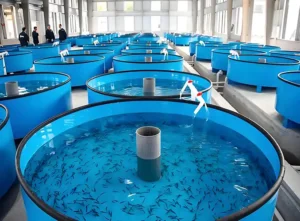
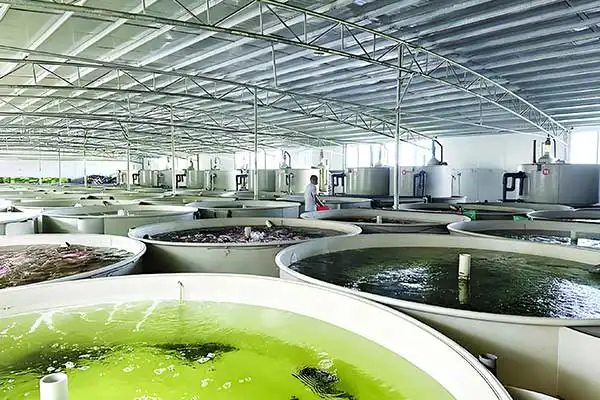
In aquaculture, the cost of fish medications represents a significant expense that cannot be overlooked. Rather than scrambling to administer treatments after disease outbreaks occur, it is far more prudent to focus on prevention at the source. A suitable ozone generator serves as a powerful preventive tool. By optimizing water quality and eliminating pathogens, it not only significantly reduces fish morbidity but also tangibly saves you thousands—even tens of thousands—of dollars annually in medication costs, transforming potential losses into solid profits.
I. Why Do Medication Costs Remain So High? The “Invisible Killer” in Aquaculture
For every aquaculturist, disease prevention is paramount in daily management. Once water quality deteriorates or management falters, diseases proliferate, bringing skyrocketing medication costs.
First, high-density farming—a standard practice in modern aquaculture—causes rapid accumulation of organic matter like uneaten feed and feces in the water. The decomposition of these organic materials releases large amounts of toxic substances like ammonia nitrogen and nitrites, continuously degrading water quality and creating an ideal breeding ground for bacteria, viruses, and parasites.
Second, when disease first appears, farmers must use various antibiotics, disinfectants, and pesticides to control outbreaks. These drugs are not only costly, but repeated use easily leads to pathogen resistance, making subsequent treatments increasingly difficult while driving up dosage requirements and expenses. This creates a vicious cycle of “pollution-disease-medication-re-pollution,” causing fish medication costs to flow out like water.
II. Ozone Generators: The “Preventative Shot” That Cuts Disease at the Source
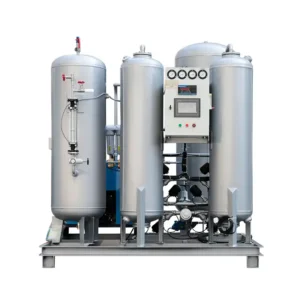
So how can this vicious cycle be broken? The answer lies in shifting from reactive treatment to proactive prevention. Ozone generators (also known as ozone machines) are the core equipment enabling this transformation. Rather than directly “treating disease,” they create a clean, healthy aquatic environment that makes fish “less prone to illness.”
Ozone (O₃) is a potent oxidizing agent that plays multiple roles in water treatment:
Highly Efficient Sterilization and Disinfection: Ozone possesses exceptional oxidizing power, sterilizing thousands of times faster than chlorine. It rapidly eliminates bacteria, viruses, fungal spores, and parasite eggs in water without producing harmful residues like chloramines, which are common with chlorine disinfection. A widely accepted benchmark indicates ozone’s oxidizing power is approximately 50 times stronger than chlorine’s, effectively preventing common diseases like bacterial gill rot, red skin disease, and enteritis.
Purification and Water Quality Improvement: Ozone directly oxidizes and decomposes harmful substances in water—such as ammonia nitrogen, nitrites, and hydrogen sulfide—converting them into non-toxic compounds like nitrates. This fundamentally eliminates disease-causing factors. Simultaneously, it breaks down large organic molecules causing water turbidity and yellowing, enhancing water transparency.
Increasing dissolved oxygen: After reacting in water, ozone’s final byproduct is oxygen (O₂). This effectively supplements vital dissolved oxygen while disinfecting, preventing fish from gasping due to oxygen deficiency and boosting overall vitality and disease resistance.
III. The Economic Calculation: How Does an Ozone Generator Save Money?
Returning to our primary concern: How much money can an ozone generator actually save? While the figure varies based on farm scale and management practices, the cost-saving logic is clear.
-
Direct Reduction in Medication Costs
This represents the most immediate benefit. By maintaining clean water quality, the frequency of disease outbreaks is significantly reduced. Assuming a medium-sized farm spends 20,000 yuan annually on antibiotics and disinfectants due to multiple disease outbreaks, introducing an ozone system could prevent 70% of these outbreaks. This translates to direct annual savings of approximately 14,000 yuan in medication costs. -
Indirectly Boosting Farming Efficiency
This aspect often yields greater value than direct drug savings.
Reduced Mortality, Increased Yield: A healthy aquatic environment significantly lowers fish mortality rates. A 5% increase in survival rate translates to tens of thousands of yuan in additional income for a fish pond producing tens of thousands of kilograms annually.
Improved Feed Conversion Ratio (FCR): Fish exhibit stronger feeding appetites and better metabolism in comfortable environments, enabling more efficient conversion of feed into weight gain. Feed costs typically account for over 50% of total aquaculture expenses. Even a slight improvement in feed conversion yields substantial savings.
Enhancing product quality and value: By drastically reducing or eliminating antibiotic use, aquatic products become greener and safer, meeting market demand for high-quality seafood. Antibiotic-free or low-antibiotic products command higher market prices and enjoy stronger brand recognition.