Yes,ozonated water is safe for fish tanks — but only when the ozone dosage is carefully controlled and residual ozone is removed before water re-enters the tank.Even extremely low doses of ozone can harm fish and invertebrates,so precise monitoring via an ORP controller is non-negotiable. Hobbyists and professionals alike have been using ozone to help improve water clarity,sterilize,and reduce the prevalence of pests for many years. With over 12 years helping aquaculture suppliers and aquarium equipment manufacturers optimize their product content for global B2B markets,I’ve seen firsthand how ozone misuse causes tank wipeouts — and how proper implementation transforms water quality. In this guide,you’ll learn the exact safe ORP thresholds,correct dosing rates,essential equipment,common mistakes,and step-by-step safety protocols to use ozone in freshwater and saltwater fish tanks without harming a single fin.
What Is Ozonated Water and How Does It Work in Fish Tanks?
Ozonated water is water treated with ozone (O₃),a powerful oxidizing gas that breaks down organic pollutants,bacteria,and parasites on contact.
Ozone is a strong oxidizer that breaks down organic molecules,bacteria,and other contaminants in water. When ozone comes into contact with organic waste or harmful substances,it reacts by oxidizing them, turning them into less harmful compounds. After reacting, ozone quickly reverts to oxygen (O₂),leaving behind no harmful residues.
In aquarium applications:
- Ozone is a gas made of three oxygen atoms, and that chemical structure makes ozone highly reactive, which is why it is such a powerful sterilizer. In aquarium applications, an ozone generator can be utilized to help maximize water quality.
- One of ozone’s key benefits is its ability to reduce dissolved organic compounds (DOCs), which accumulate over time from fish waste, leftover food, and decaying organic matter. DOCs are responsible for the yellowish tint that can form in aquarium water, and ozone breaks down these compounds, helping to restore crystal-clear water.
Is Ozone the Same as Oxygen?
No。 Oxygen (O₂) has two atoms. Ozone (O₃) has three. Ozone is highly reactive because one of those three molecules wants to separate, and when this occurs, ozone produces an impressive oxidizing effect。
That extra atom is what gives ozone its sterilization power — and its toxicity risk。
Is Ozonated Water Safe for Freshwater Fish Tanks?
Yes, but freshwater tanks require more caution with ORP levels than saltwater setups。
Ozone application is safer in freshwater where the primary reaction by-product is oxygen. However, safe ORP thresholds are lower for freshwater systems。
| Parameter | Freshwater Tank | Saltwater/Reef Tank |
| Safe ORP Range | 125 to –200 mV | 300–450 mV |
| Recommended Upper Limit | 300–320 mV | 300–350 mV, never above 400 mV |
| Primary Byproduct | Oxygen | Bromates/Chloramines possible |
When an upper ORP setpoint is reached (typically 300–320 mV), a solenoid valve closes to temporarily suspend ozone addition, or O₃ output is automatically discontinued by the ozone generator。
Is Ozonated Water Safe for Saltwater Reef Tanks?
Yes, with additional precautions。 In saltwater, ozone reacts with bromide and chloride, forming hypo-bromite and hypo-chlorite. These are also oxidants that can hurt fish gill tissue, larvae, and other microorganisms.
Critical safety step: Using activated carbon is critical to ensure that any residual ozone in the water is removed before it re-enters the tank. Any leftover ozone that hasn’t fully reacted with organic matter can harm fish and corals. Activated carbon in the output of the skimmer or ozone reactor ensures that no ozone escapes into the tank.
What Is the Safe Ozone Dosing Rate for Fish Tanks?
Start low: 0.15–0.25 mg of ozone per gallon per hour for most home aquariums。
Most manufacturers generally suggest adding 0.3 to 0.5 mg of ozone per gallon of water per hour, but even half that much is sufficient to keep the bacterial concentration very low and oxidize all the organic matter without hampering the biological filter。
Practical dosing guidelines:
- Small tanks (25–50 gallons): Inject 15 mg/hr of ozone per 25 gallons of aquarium water as a starting point。
- Large systems (1,000+ gallons): The ideal level is 0.5 gm/hour to 1 gm/hour for every 1,000 gallons。
- General safety rule: 1 mg/hr per gallon is usually “safe” in terms of things not dying。
Safety tip: Very small amounts of ozone for only a short time each day is all you need for ongoing management. This will result in a slow increase to your ORP, which is much safer。
What ORP Level Is Safe for Aquarium Fish?
For most aquariums, keep ORP between 300–350 mV. Never exceed 400 mV in home systems。
Studies indicate that ≤350 mV is likely the safe ORP threshold value for many farmed fish。
What happens at higher levels:
- 350–400 mV: Acceptable for most reef tanks with monitoring。
- 425 mV: Ozone at 500 mV induced drastic effects in salmon, resulting in very high single-day mortality. The high group (425 mV) displayed progressive mortality over 10 days。
- 450+ mV: Levels beyond 450 mV can stress tank inhabitants。
Required monitoring equipment:
1。 ORP controller — Automatically shuts off ozone generator at your set threshold。
2。 ORP probe — ORP probes will likely require replacement annually and are generally not the best candidates for re-calibration。
3。 ORP reference solution — Use the ORP solution as a reference to verify the accuracy of your ORP probe on a regular basis。
What Equipment Do You Need to Safely Use Ozone in a Fish Tank?
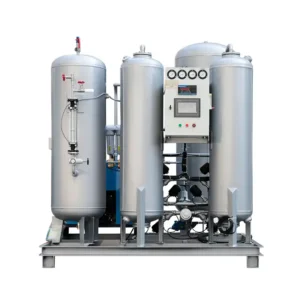
A complete ozone system requires four core components: generator, reaction chamber, carbon filtration, and ORP controller。
| Component | Purpose | Key Specs |
| Ozone Generator | Produces O₃ gas | Corona discharge type; adjustable output |
| Protein Skimmer / Reactor | Mixes ozone with water | Must be ozone-rated material |
| Activated Carbon | Removes residual ozone | Place at skimmer outlet and air exhaust |
| ORP Controller | Monitors and auto-shuts off ozone | Set to 300–350 mV max |
Does Ozone Damage Aquarium Equipment?
Yes. Ozone degrades standard plastics rapidly。 Make sure to use ozone-safe materials for all tubing and fittings, such as silicone tubing, since ozone can degrade many standard plastics over time。
Use silicone tubing, Kynar fittings, and ozone-rated skimmers only. Always use ozone-resistant tubing and Kynar fittings. Skimmers made using acrylic and/or PVC are generally ozone compatible but check with the manufacturer。
What Are the Benefits of Using Ozone in Fish Tanks?
Ozone delivers five proven benefits when used correctly:
1。 Crystal-clear water: Ozone is a powerful oxidizing agent that oxidizes the organic compounds that create yellowing in the water, making the water appear clearer。
2。 Pathogen reduction: Ozone can eliminate bacteria, viruses, and parasites, creating a safer environment for fish. It reduces the chances of infections or disease outbreaks。
3。 Ammonia and nitrite oxidation: Ozone helps neutralize various harmful substances, including ammonia, nitrites, and even some heavy metals。
4。 Improved fish growth: Research found that rainbow trout grew significantly faster in RAS operated with ozone compared to trout raised in similarly operated RAS without ozone。
5。 Odor reduction: Many reefers who use ozone systems quickly notice a dramatic reduction in odor coming from the reef tank and skimmers。
What Are the Risks of Using Ozone in a Fish Tank?
The primary risk is overdosing, which can kill every inhabitant in your tank。
Overdosing with ozone can be deadly to your tank and pose a certain risk to your health if excess ozone is released into the air。
Key risks to understand:
- Fish gill damage: Gills are much more sensitive and vulnerable to higher ozone doses than the skin。
- Invertebrate death first: If excess ozone does enter the aquarium, inverts will die first, followed by fish。
- Coral stress: Too much ozone seems to “burn” polyps and some coral will not extend polyps as much, and actually just stop growing. More so with soft corals。
- Human health hazard: The 8-hour human exposure limit for airborne ozone gas established by OSHA is just 0.1 ppm, and the 15-minute exposure limit is only 0.3 ppm。
Does Ozone Kill Beneficial Bacteria in Fish Tanks?
No — when used at proper levels。 The beneficial bacteria that reduce ammonia and nitrite from fish waste live on the aquarium and pond surfaces and are not affected by ozone. Ozone will not harm the biological filter。
However, ozone can oxidize beneficial bacteria in a reef tank at excessive levels. It’s important to monitor your reef and adjust as needed to reach a balance。
How to Set Up Ozone Safely in Your Fish Tank: Step-by-Step
Follow this 7-step protocol to avoid fish loss:
1。 Install an air dryer before the ozone generator. Even cheap air dryers will increase the O₃ output of your unit。
2。 Connect the ozone generator to a protein skimmer or ozone reactor — never directly into the display tank。
3。 Place activated carbon at the skimmer air outlet and water return line。
4。 Set the ORP controller to shut off at 300–350 mV。
5。 Start at the lowest setting。 It will take a few days for the ORP readings to stabilize. Do not make large or quick adjustments to the ozone injection rate。
6。 Verify ORP probe accuracy monthly with reference solution。
7。 Ensure proper ventilation。 Ensure your aquarium area is well-ventilated to prevent ozone accumulation, which can be harmful to humans and pets。
Compliance Note: The OSHA permissible exposure limit (PEL) is 0.1 ppm as an 8-hour time-weighted average. If you can smell ozone in your fish room, your containment has failed. Take immediate action。
5 Critical Mistakes That Kill Fish When Using Ozone (And How to Avoid Them)
Most online guides skip the real-world failure modes. Here are the top mistakes from working with aquaculture facility operators and serious hobbyists:
Mistake #1: Skipping the ORP Controller
Many beginners use only a timer. If you dose too much ozone incorrectly without the proper ozone reactor or ORP monitor, you can kill everything in your tank。
Fix: Always pair your ozone generator with an ORP controller. Budget at least $100–$150 for a reliable unit。
Mistake #2: Using Cheap, Unrated Ozone Generators
Cheap ozone generators use low-quality components, often have questionable build quality and safety, lack replacement parts, and have inaccurate output data。
Fix: Buy only UL or CE-rated units from reputable brands. Verify output claims independently。
Mistake #3: Forgetting Activated Carbon on the Air Exhaust
Ozone escaping through the skimmer cup exposes you, your family, and pets to harmful gas. Ozone is dangerous to humans and pets when inhaled in significant concentrations。
Fix: Place a bag of activated carbon over the skimmer’s air exhaust opening. Replace monthly。
Mistake #4: Running Ozone During Medication
When medicating a system, turn off the ozonizer and any UV sterilizers. When the treatment cycle is finished, bring them back on-line。
Fix: Ozone oxidizes medications, neutralizing their effects. Always shut off ozone before treating sick fish。
Mistake #5: Not Replacing ORP Probes Annually
Nobody calibrates those probes. The probes are also cheaply made and not accurate. Drift can lead you to believe your tank is safe when ORP is actually dangerously high。
Fix: Replace ORP probes every 12 months. Verify readings monthly against reference solution。
Cost-Saving Tip for B2B Aquaculture Buyers
For large-scale operations (commercial hatcheries, public aquariums, wholesale coral facilities), investing in a low-dose ozone + UV combination system delivers the best ROI. Research indicated that a strong ozone dose followed by UV irradiation levels sufficient to destroy residual ozone resulted in several LOG reductions of heterotrophic and coliform bacteria counts。
This dual approach allows higher disinfection without exposing fish to residual oxidants。
Frequently Asked Questions About Ozonated Water in Fish Tanks
Q1: Can ozone kill fish in a tank?
Yes. Ozone gas dissolved in the water is very poisonous for fish, invertebrates, and humans. Overdosing causes gill irritation, respiratory failure, and death. Always use an ORP controller and activated carbon to prevent residual ozone from reaching fish。
Q2: What ORP level kills fish?
Ozone at 500 mV induced drastic effects in salmon, resulting in very high single-day mortality. Most species show stress above 400 mV. Keep home aquariums at 300–350 mV to maintain a safe margin。
Q3: Is ozone better than UV sterilizers for fish tanks?
It depends. UV sterilizers are better fitted to freshwater aquaria for continuous use. Ozone excels at removing dissolved organics and improving water clarity. Many commercial facilities combine both for maximum effectiveness。
Q4: Can you use ozone in a planted freshwater tank?
Use extreme caution. Ozone at high levels can damage live plants and macro algae. Ozone can kill macro algae at high levels and can oxidize medications or chemical additives. Start at very low doses and monitor plant health closely。
Q5: How long does ozone last in aquarium water?
After reacting, ozone quickly reverts to oxygen (O₂), leaving behind no harmful residues. In practice, ozone’s half-life in water is approximately 15–30 minutes depending on temperature and organic load. Activated carbon accelerates removal。
Q6: Does ozone remove ammonia in fish tanks?
Yes. One interesting benefit of adding ozone is that ammonia is immediately transformed into nitrate. This is particularly useful in heavily stocked tanks or during the nitrogen cycle startup phase。
Q7: Can I run ozone 24/7 on my aquarium?
Not recommended for home tanks. Very small amounts of ozone for only a short time each day is all you need. This will result in a slow increase to your ORP, which is much safer and still produces the results most hobbyists are looking for. Use a timer alongside the ORP controller。
Q8: Is ozone safe for shrimp and invertebrates?
Invertebrates are the most sensitive to ozone. If excess ozone does enter the aquarium, inverts will die first, followed by fish. If you keep shrimp, corals, or snails, maintain ORP below 325 mV and ensure robust carbon filtration。
Q9: How often should I replace the activated carbon in an ozone system?
Replace activated carbon in your ozone filtration setup every 3–4 weeks. Exhausted carbon no longer adsorbs residual ozone, allowing toxic levels to reach your tank. Mark replacement dates on your maintenance calendar。
Q10: Does ozone affect the pH of aquarium water?
Ozone itself has minimal direct impact on pH. However, by oxidizing organic acids and dissolved compounds, it can cause a slight upward pH shift over time. Monitor pH weekly when first introducing ozone and adjust your buffering as needed。
Final Verdict: Ozonated Water Can Be Safe — With the Right Controls
Ozonated water is safe for fish tanks when you control the dosing, monitor ORP levels, use activated carbon, and invest in quality equipment. Maintaining the ORP at 350–380 mV with ozone considerably increases disruption of pathogen membranes with no adverse effect on fish immune systems。
The difference between a thriving, crystal-clear aquarium and a total wipeout comes down to monitoring, equipment quality, and disciplined dosing。
Whether you’re a home hobbyist evaluating your first ozone setup or a commercial aquaculture facility sourcing ozone generators for large-scale RAS systems, choosing the right ozone equipment and water treatment solution is the most important decision you’ll make。
→ Need help selecting the right ozone generator or water treatment system for your application? 【Contact our team for a free consultation】 or 【browse our ozone generator product line】 to find the right solution for your tank size and budget。