Ozone generators deliver powerful disinfection and water quality benefits, but they also carry serious disadvantages that every aquaculture operator must understand before investing. The core drawbacks include direct toxicity to fish and workers, costly capital investment and maintenance, formation of dangerous by-products in seawater, potential destruction of biofilters, strict material compatibility demands, complex dosing and monitoring challenges, and significant energy consumption. Any one of these risks, if poorly managed, can lead to mass fish mortality, equipment failure, and financial loss on a fish farm.
1. Ozone Toxicity to Fish and Aquatic Species
1.1 Direct Tissue Damage and Mortality
Ozone’s greatest strength — its extreme oxidizing power — also creates its most dangerous risk. High residual ozone concentrations pose a risk to cultured fish stocks, causing gross tissue damage and stock mortalities. Ozone reportedly harms a wide range of fresh and salt-water organisms at residual concentrations between 0.01 ppm and 0.1 ppm.
Research on Atlantic salmon post-smolts provides alarming numbers. Ozone doses higher than 350 mV resulted in significant mortality in salmon, with the two highest treatment groups showing end-point mortality higher than 30%. Ozone at 500 mV induced a drastic effect, resulting in an abrupt, very high single-day mortality just 4 days after ozonation began.
1.2 Stress Responses at the Cellular Level
Even sub-lethal ozone exposure triggers severe biological stress. Increasing ozone doses triggered anti-oxidative stress and inflammatory responses in the gills, where transcript levels of glutathione reductase, copper/zinc superoxide dismutase, interleukin 1β and interleukin were significantly elevated. Short-term exposure to ozone at concentrations higher than 350 mV in salmon in brackish water resulted in significant health and welfare consequences, including mortality and gill damages.
1.3 Extreme Sensitivity of Larvae and Small Organisms
Younger life stages face even greater danger. Ozone proves very harmful to aquatic life — daphnids show more sensitivity to ozone than fish larvae, and the mean 48-h LC50 value for fish larvae amounts to about 35 µg/liter. For hatchery operators, even minor dosing errors can wipe out an entire larval batch.
2. High Capital and Operational Costs
2.1 Expensive Infrastructure Requirements
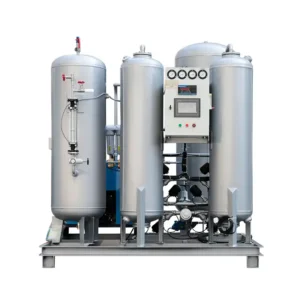
Cost stands as one of the biggest barriers to ozone adoption. The major limiting factors appear to be ozone toxicity and the cost of high-output ozone generators. A complete ozone system includes the generator itself, an oxygen supply unit, an injection system, a contact tank, a destruct unit, controls, and installation labor — each component adding to the total price tag.
2.2 Hidden Maintenance and Support Expenses
“Companies looking for ozone units should always evaluate their CAPEX versus OPEX cost.” Cheap upfront units often come with expensive or difficult-to-get parts that need frequent replacement, and some distributors provide no or very little support to the client.
2.3 Prohibitive Cost of Full Disinfection in RAS
Achieving complete disinfection with ozone often exceeds budget limits. In many situations in RAS, the cost of production of sufficient residual ozone for complete disinfection after all other ozone demands are met is prohibitive. Smaller hatcheries and shrimp farms operating on thin margins face especially high risk from this financial burden.
3. Toxic By-Products in Seawater Applications
3.1 Bromate and Brominated Compound Formation
One of the most overlooked disadvantages involves ozone’s chemical reactions in marine water. The use of ozone in marine-based aquaculture systems has been limited because of the potential to form bromate, which forms during the oxidation of naturally occurring bromide by ozone — and because bromate is a human carcinogen, there are concerns with its chronic impact on fish health.
Bromide in seawater reacts with ozone to form harmful byproducts hypobromite (OBr⁻) and bromate (BrO₃⁻), and both compounds prove toxic to aquatic animals at low concentrations.
3.2 A Wide Range of Dangerous Compounds
The chemical risks extend far beyond bromate alone. The addition of ozone to seawater may produce long-lived by-products such as hypo-bromous acid, bromates, trihalomethanes, haloacetic acid, haloacetonitriles and cyanogen bromides — compounds that may make the use of ozone for the culture of fish, crustaceans and other sensitive organisms risky, because the toxicities of these compounds are not precisely known, and even very low concentrations may be fatal to some organisms.
3.3 ORP Threshold for Bromide Oxidation
Operators must watch ORP levels closely. When treating seawater, ORP should be carefully monitored — exceeding 800 mV of ORP can oxidize bromide ions into bromine, which is toxic to aquatic species. For marine shrimp farms and saltwater fish operations, this disadvantage alone can outweigh all the benefits of ozone treatment.
4. Human Health and Workplace Safety Risks
4.1 Low Exposure Limits for Workers
Ozone threatens more than fish — it endangers the people working around it. Upon breathing over the security level, there can be irritation effects on animals and people at mucosa tissues like nose, eyes, nasal fossae and lungs.
4.2 Strict Facility Requirements
Ozone is dangerous to people at very low concentrations, and some jurisdictions require ozone to be used only in isolated rooms with gas-phase ozone monitors, an alarm capability and an ozone ‘destruct’ unit on the contactor exhaust.
Aquaculture facilities must therefore invest in dedicated ventilation, ambient ozone monitors, alarm systems, and ongoing staff training — all of which increase total cost of ownership.
5. Damage to Biofilters and Beneficial Bacteria
5.1 Destruction of Nitrifying Bacteria
RAS facilities depend heavily on biofilters that host nitrifying bacteria. Ozone does not distinguish between harmful pathogens and beneficial microbes. High residual ozone concentrations pose a risk not only to cultured fish stocks but also to bacterial films on the biofilter, and disruption to biofilter performance can cause large fluctuations in ammonia and nitrite levels.
5.2 Secondary Toxic Events
When ozone damages these bacterial colonies, ammonia and nitrite spike rapidly. High levels of nitrite can be toxic to fish — data for silver perch (Bidyanus bidyanus) indicate that levels as low as 2.8 ppm can reduce fingerling growth by 5%. This creates a dangerous chain reaction: ozone kills biofilter bacteria → ammonia and nitrite rise → fish suffer secondary toxicity.
5.3 Strategic Injection Placement
Application of ozone to aquaculture requires ozone generation, ozone transfer into solution, contact time for ozone to react and disinfect, and possibly ozone destruction to ensure that no ozone residual makes it into the culture tanks. Operators must position injection points carefully and install destruct units or UV chambers to neutralize residual ozone before it contacts fish or biofilters.
6. Complex Dosing and Monitoring Challenges
6.1 Lack of Standardized Measurement
Precise ozone control remains one of the biggest operational headaches. Ozone dosage and control is still challenging due to limited options in measuring technologies for ozone and TROs, and measurements in industrial aquaculture facilities are often not standardized.
6.2 ORP Probe Limitations
Due to the lack of direct measurement of ozone and because ORP probes can take several minutes to register a change in ORP, any use of ORP to measure and control ozone application is approximate — for this reason, it is recommended that limits are set conservatively.
6.3 Species-Specific Safe Zones Vary Widely
Different species tolerate very different ORP levels. The mortality data suggest that Atlantic salmon in brackish water are relatively more sensitive to ozone than other aquaculture species. European sea bass shows risk above 320 mV, while turbot tolerates slightly higher levels. Operators must research species-specific thresholds and build safety margins into every dosing protocol.
7. Material Corrosion and Equipment Degradation
7.1 Ozone Attacks Common Aquaculture Materials
Ozone’s aggressive oxidizing power degrades many standard construction materials. Materials used in an ozone treatment system must be highly resistant or inert to ozone — use of improper materials can lead to erosion of the unit and cause dangerous and costly leakages.
7.2 Reduced Efficiency with Substandard Components
Systems with substandard materials are not suitable for the long-term application of ozone and require on-going, high replacement costs — and the generation of ozone in such systems is less efficient as ozone is lost as the materials of the reactor are oxidised.
7.3 Approved vs. Prohibited Materials
The use of some plastics, such as polyvinyl chloride (PVC) and polycarbonate, is not recommended for long-term applications. Galvanised steel is also not recommended. Stainless steel contact chambers and piping are recommended, and valves should be made of stainless steel, with gaskets and membranes of Teflon or similar.
Retrofitting an existing aquaculture facility with these ozone-compatible materials dramatically increases project costs.
8. High Energy Consumption
8.1 Electricity Demands of Corona Discharge Generators
Ozone generation requires substantial electrical power. Corona discharge generators using purified oxygen feed gas require about 10 kWh of electricity to produce 1.0 kg of ozone, and ozone production within an air feed gas is 2–3 times less energy efficient than using purified oxygen feed gas.
8.2 Additional Power from Support Systems
Beyond the generator itself, the oxygen concentrator, cooling system, injection pump, and monitoring controls all consume electricity. Generation from air requires more energy because the corona produces less ozone per second of operation. Facilities in regions with expensive or unreliable electricity face even greater challenges.
8.3 Energy-Cost Comparison
Leading aquaculture-specific systems now achieve under 8.5 kWh per kg O₃, but this still represents a meaningful operational expense when running 24/7 on a commercial farm. For farms comparing alternatives, loss of the ozone in off gas is a particular concern, because ozone is expensive and because it is dangerous to humans.
Final Thoughts: Make an Informed Decision Before You Invest
Ozone generators offer undeniable water quality and biosecurity benefits for the aquaculture industry — but the disadvantages demand careful attention. From fish mortality at ORP levels above 350 mV to bromate formation in seawater, from biofilter destruction to strict material requirements, the margin for error stays razor-thin.
Before adopting ozone technology for your fish farm, shrimp hatchery, or RAS facility, take these steps:
• ✅ Conduct a detailed CAPEX vs. OPEX analysis specific to your scale and species
• ✅ Research species-specific ORP thresholds and build conservative safety margins
• ✅ Invest in reliable ORP monitoring and automatic dosing controls
• ✅ Use only ozone-compatible materials (stainless steel, Teflon, HDPE)
• ✅ Install ozone destruct units and proper ventilation for worker safety
• ✅ Avoid ozone in seawater systems unless you can monitor and control bromate levels
The technology works — but only when operators respect its dangers and manage them with precision and discipline.