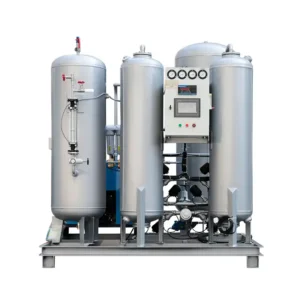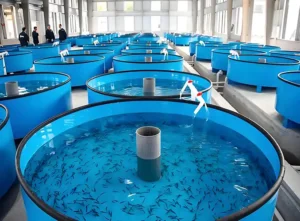
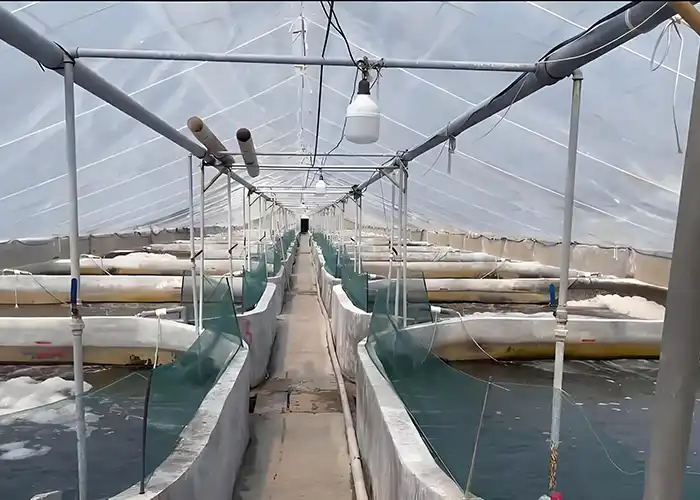
Yes, ozone generators work extremely well for water treatment on farms and in aquaculture operations. They kill harmful bacteria, viruses, parasites, and organic contaminants in livestock drinking water, aquaculture tanks, and farm irrigation water. They leave no toxic chemical residues behind, and work faster than most traditional water treatment methods for farming.
How Ozone Generators Treat Your Farm’s Water
Ozone generators create ozone gas (O3). This gas dissolves in your water supply.
Once dissolved, ozone attacks and breaks down the cell walls of harmful pathogens. It kills E. coli, Salmonella, Giardia, and other threats to your animals.
It also neutralizes algae, ammonia, nitrite, pesticides, and bad odors in water.
After it completes the treatment process, ozone breaks down into pure oxygen. No harmful byproducts or chemical residues stay in your water.
Core Benefits of Ozone Water Treatment for Farmers and Aquaculture Operators
1. Boost Livestock Health and Production
Clean, pathogen-free water is the foundation of healthy livestock.
Ozone eliminates the bacteria and viruses that cause diarrhea, respiratory illness, and production drops in cattle, poultry, swine, and other farm animals.
Healthier animals gain weight faster. They produce more milk or eggs. They need fewer antibiotics and vet visits.
This directly lifts your farm’s output and cuts your operating costs.
2. Raise Aquaculture Survival and Growth Rates
Fish, shrimp, and other aquatic stock need clean, oxygen-rich water to thrive.
Ozone clears toxic ammonia, nitrite, and algae from your tanks, raceways, and ponds. It stops the spread of contagious fish diseases.
Unlike chemical treatments, ozone does not harm your aquatic stock when used correctly.
Many commercial aquaculture operators see 20-30% higher survival rates and faster growth with consistent ozone water treatment.
3. Cut Long-Term Operating Costs
Ozone generators run on electricity alone. You don’t need to buy, store, or handle expensive chemical treatments like chlorine.
You eliminate the risk of chemical overuse and waste.
One well-maintained ozone system works for years. It needs only minimal upkeep, with no recurring supply costs.
Most farms see a full return on their investment within 1-2 years.
4. Meet Strict Food Safety and Environmental Rules
Global food safety standards get tighter every year. Ozone leaves no chemical residue in your water, animals, or final products.
It fully meets compliance requirements for meat, dairy, egg, and aquaculture production.
Ozone also cuts chemical runoff from your farm. This keeps you compliant with local environmental regulations and protects local waterways.
What You Need to Know to Make Ozone Work for Your Farm
Many farmers ask: do ozone generators work for water in all farm sizes? The answer is yes. You just need the right setup for your operation.
Here are the key rules to get consistent results:
- Match the ozone generator size to your water flow and daily usage. Too little ozone won’t kill all pathogens. Too much wastes electricity.
- For livestock drinking water: Install the system before your water reaches animal troughs. This gives ozone time to work and break down into oxygen before animals drink it.
- For aquaculture: Use a system with proper ozone dissolution and off-gas control. This keeps ozone in the water where it works, and keeps excess gas out of the air your stock breathes.
- Test your water regularly. Simple, affordable test kits let you check ozone levels and pathogen counts. This ensures your system works as it should.
- Work with a supplier that specializes in farm and aquaculture ozone systems. They can help you size and install the right setup for your specific needs.
Is Ozone Treatment Safe for Farm Animals and Fish?
This is the top question we get from farmers. The short answer is yes — when used correctly.
Ozone works in the water before it reaches your animals. It breaks down into oxygen quickly. By the time your livestock drink the water, no ozone remains.
For aquaculture, modern ozone systems have built-in monitors. These keep ozone levels within a safe, effective range for fish and shrimp.
Unlike chlorine, ozone does not create harmful disinfection byproducts. These byproducts can cause long-term health issues for animals. Ozone also does not irritate animals’ skin, eyes, or digestive tracts.
Ozone vs. Chlorine for Farm Water Treatment
Most farms still use chlorine for water treatment. Here’s how ozone compares:
- Ozone works 3,000 times faster than chlorine at killing pathogens.
- Ozone kills chlorine-resistant parasites like Cryptosporidium and Giardia. Chlorine cannot eliminate these threats reliably.
- Ozone leaves no chemical taste or smell in water. Animals drink more water, which directly boosts their health and production.
- Chlorine needs constant re-supply and careful storage. Ozone only needs electricity to run.
- Chlorine creates harmful byproducts that build up in water and soil. Ozone does not.
At the end of the day, your farm’s success starts with clean, reliable water. Ozone generators give you full control over your water quality, without the hassle, cost, and risk of traditional chemical treatments. They work for every part of your operation — from drinking water for your cattle and poultry, to water for your fish ponds and crop irrigation. They fit small family farms and large commercial operations alike. When you choose the right system for your farm’s size and needs, ozone treatment delivers consistent, proven results year after year. It’s not just a water treatment solution — it’s an investment in the health of your animals, the quality of your products, and the long-term profitability of your farm.