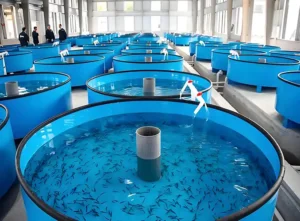
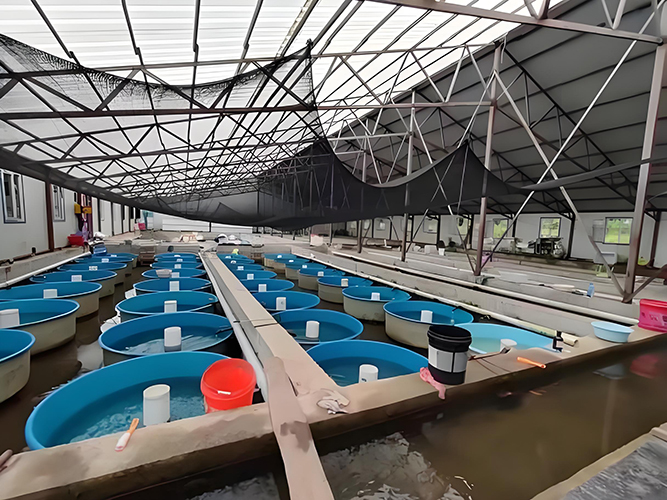
Ozone is good for fish when dosed correctly and controlled with precision in aquaculture systems. It boosts fish health, growth rates, and survival rates by improving water quality and eliminating harmful pathogens. Wrong dosing or poor control, however, will damage fish gills, disrupt biological filters, and even cause mass stock mortality.
The Core Benefits of Ozone for Your Fish Farm
Ozone delivers measurable, profit-driving benefits for commercial fish farming operations when used the right way. These advantages directly address the biggest challenges farmers face every day.
- Cuts disease outbreaks and reduces antibiotic useOzone kills bacteria, viruses, fungi, and parasites that cause common fish diseases like bacterial gill disease. It works faster than many chemical disinfectants, and leaves no harmful long-term residues in water or fish tissue. This directly lowers your stock mortality and reduces the cost of disease treatments.
- Boosts fish growth and feed conversionClean, stable water means less stress for your fish. Ozone oxidizes toxic nitrite, ammonia, and dissolved organic waste from uneaten feed and fish feces. It reduces biochemical oxygen demand, so more oxygen goes to your fish instead of breaking down waste. Studies show properly ozonated systems deliver faster growth rates and better feed conversion ratios, which directly lifts your farm’s profitability.
- Improves water clarity and system efficiencyOzone creates micro-flocculation of fine suspended solids. This makes solids easier to remove via filtration, and cuts backwash frequency for your filters. It also strips color and off-flavor compounds like geosmin from water, which improves the market quality of your harvested fish.
- Stabilizes your nitrogen cycleOzone eases the load on your biofilter by breaking down organic waste before it reaches the filter media. It oxidizes toxic nitrite spikes into less harmful nitrate, keeping your water parameters stable even during high feed load periods. This reduces the risk of sudden water quality crashes that can wipe out stock.
When Ozone Becomes Harmful to Fish
Ozone is a powerful oxidizer. It does not distinguish between harmful pathogens and fish tissue when levels get too high. Every farmer must understand these key risks to avoid costly stock losses.
High residual ozone damages fish health even at very low levels. For sensitive species like salmonids, chronic exposure to residuals as low as 0.002 ppm causes long-term gill damage and stress. Concentrations above 0.9 ppm trigger acute tissue damage and rapid mass mortality. Ozone also strips the protective mucus layer from fish skin, making them more vulnerable to secondary infections.
Overdosing ozone will kill the beneficial nitrifying bacteria in your biofilter. This breaks down your nitrogen cycle, leading to dangerous spikes in ammonia and nitrite. Even short-term overdosing can take weeks for your biofilter to recover, leaving your entire system unstable and your fish at risk.
Poor system design creates avoidable safety gaps. Without proper contact chambers and de-ozonation units, residual ozone can flow directly into your fish tanks. Leaky fittings can also release ozone gas into your facility, creating serious health risks for your workers.
Safe Ozone Use Rules for Every Fish Farmer
You can unlock ozone’s full benefits without risking your stock. Follow these proven, science-backed rules from leading aquaculture authorities to use ozone safely and effectively.
- Stick to proven safe dosage and residual limitsFor general water quality improvement in recirculating aquaculture systems (RAS), use 10-15 grams of ozone per kilogram of daily feed. For disinfection in natural freshwater or seawater, maintain 0.1-0.2 ppm residual ozone for 1-5 minutes in a dedicated contact chamber, before the water goes through de-ozonation and reaches your fish. Never let residual ozone enter your fish rearing tanks.
- Use ORP monitors for consistent, reliable controlDirect ozone measurement is unstable in aquaculture water with high organic load. Use Oxidation-Reduction Potential (ORP) probes to monitor and control your ozone system. The safe ORP range for most fish farming systems is 250-350 mV. Stop ozone dosing immediately if ORP exceeds 400 mV, as this signals a high-risk environment for your fish.
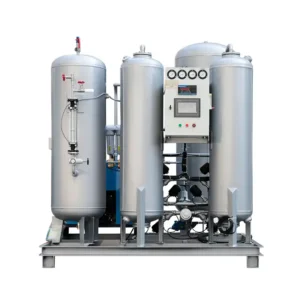
- Install a mandatory de-ozonation unitAlways fit a de-ozonation step after ozone injection and before water enters your fish tanks. This can be an extended contact chamber (to let ozone break down naturally), activated carbon filter, or degassing unit. This step eliminates all residual ozone before the water touches your stock.
- Use corrosion-resistant materials and safety alarmsOzone corrodes standard PVC and rubber parts. Build your system with 316L stainless steel, PTFE, or HDPE for all ozone-contact components. Fit audible ozone gas alarms in your facility to alert staff to leaks, and protect both your workers and your stock.
Final Takeaway
Ozone is not a magic fix for fish farming, but it is one of the most powerful tools available for modern aquaculture when used correctly. It does not replace good farm management, regular water testing, or proper system maintenance. What it does is give you greater control over your water quality, lower disease risk, and a clear path to healthier fish, more consistent growth, and higher profitability for your farm. For most commercial fish farmers, the key to success with ozone is simple: start with a properly designed system, monitor every parameter closely, and never cut corners on safety controls.