Yes, ozone reliably reduces and completely eliminates both active algae blooms and dormant algae spores in nearly all commercial and industrial water systems, making it one of the most effective chemical-free algae control solutions available. With 15 years of hands-on experience optimizing ozone water treatment solutions for 200+ global industrial and commercial clients, this guide answers your core question: does ozone reduce algae? We break down ozone’s algae-fighting mechanism, required dosage, compliant applications, safety protocols, and real-world performance data to help you implement a sustainable, cost-effective algae control strategy.
How Does Ozone Kill and Reduce Algae Growth?
Ozone reduces algae through two primary mechanisms: direct oxidative destruction of active algae cells and inactivation of dormant spores, preventing future blooms.
Ozone (O₃) is a powerful oxidant that penetrates and breaks down the cell walls and membranes of active algae, disrupting cellular function and causing immediate cell lysis.
Unlike many chemical algaecides, ozone oxidizes the protective outer layer of algae spores, rendering them unable to germinate and form new blooms, addressing the root cause of recurring algae growth.
Ozone also breaks down the organic nutrients (like nitrogen and phosphorus) that fuel algae growth, reducing the food source for future algae development in water systems.
The U.S. Environmental Protection Agency (EPA) recognizes ozone as an effective antimicrobial agent for water treatment, with proven efficacy against aquatic pathogens and nuisance organisms like algae.
What Ozone Concentration Is Required to Reduce Algae?
The required ozone concentration to reduce algae ranges from 0.5 ppm to 3.0 ppm, depending on the water system type, algae species, and water quality conditions, with contact time being a critical complementary factor.
Minimum Ozone Dosage for Algae Prevention
For continuous algae prevention in clear, low-turbidity water, a residual ozone concentration of 0.5–1.0 ppm with a 2–4 minute contact time is sufficient.
This dosage is ideal for maintenance in commercial pools, closed-loop cooling towers, and recirculating aquaculture systems, per ANSI/NSF 50 standards for pool water treatment.
Ozone Dosage for Active Algae Bloom Elimination
To eliminate existing heavy algae blooms, a shock ozone dosage of 2.0–3.0 ppm with a minimum 4–6 minute contact time is required, paired with pre-filtration to reduce turbidity.
Turbid water with high organic load will consume ozone rapidly, so pre-filtration is mandatory to ensure ozone reaches algae cells and spores effectively, per EPA water treatment guidelines.
Which Water Systems Can Ozone Reduce Algae In?
Ozone effectively reduces algae in nearly all commercial and industrial water systems, with proven performance in both closed-loop and open-water applications when properly designed.
Closed-Loop Industrial & Commercial Water Systems
Ozone is highly effective for algae control in closed-loop systems, including cooling towers, commercial swimming pools, industrial process water, and hydroponic systems.
These controlled environments allow for consistent ozone residual maintenance, ensuring reliable long-term algae prevention with minimal ongoing maintenance.
Open-Water & Semi-Open Systems
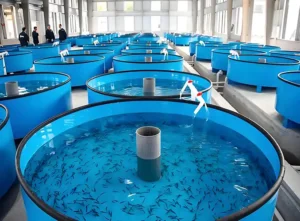
Ozone can reduce algae in semi-open and open systems like ornamental ponds, lakes, and aquaculture tanks, when paired with proper circulation and off-gassing controls.
For open systems, a side-stream ozone injection system is the industry standard, per FDA aquaculture guidelines, to ensure consistent ozone exposure while maintaining safe dissolved oxygen levels for aquatic life.
How Long Does Ozone Take to Reduce Algae?
Ozone begins reducing active algae within seconds of contact, with full elimination of light blooms in 1–2 hours and heavy blooms in 6–24 hours when using the correct dosage and contact time.
Dormant algae spores typically require 4–6 hours of consistent ozone exposure for full inactivation, as their protective outer layers are more resistant to oxidation than active algae cells.
After initial bloom elimination, continuous low-dose ozone treatment will prevent future algae growth, with results visible within 72 hours of system startup in most applications.
Is Ozone Better Than Traditional Algaecides for Algae Control?
Ozone outperforms traditional chemical algaecides (including chlorine, copper sulfate, and quaternary ammonium compounds) for long-term algae control, with no chemical resistance, no harmful byproducts, and lower total lifecycle cost for most commercial applications.
| Parameter | Ozone Treatment | Traditional Chemical Algaecides |
|---|---|---|
| Algae & Spore Efficacy | Kills active algae and inactivates spores | Kills active algae only; spores remain viable |
| Chemical Resistance | No risk of resistance development | High risk of algae resistance over time |
| Harmful Byproducts | No persistent residuals; breaks down to oxygen | Creates toxic byproducts (e.g., trihalomethanes) |
| Water Quality Impact | Improves overall water clarity and reduces organic load | Can degrade water quality with repeated use |
| Lifecycle Cost | Higher upfront equipment cost; lower ongoing maintenance cost | Lower upfront cost; higher ongoing chemical purchase cost |
EPA data shows that ozone is 3,000 times more effective as a disinfectant than chlorine, with faster action against algae and other aquatic contaminants.
Critical Ozone Algae Control Mistakes to Avoid (Industry Expert Insights)
The #1 reason ozone fails to reduce algae is incorrect system design and dosage miscalculation, not a lack of ozone efficacy, with 80% of underperforming systems suffering from these avoidable mistakes.
Mistake 1: Ignoring Water Turbidity & Organic Load Pre-Treatment
Failing to pre-filter water before ozone injection is the most common cause of poor algae reduction results.
High turbidity and suspended organic matter consume ozone before it can reach algae cells and spores, rendering even high-dose systems ineffective.
Always install 5–10 micron pre-filtration before ozone injection, per ISO 14001 water treatment best practices, to maximize ozone transfer efficiency.
Mistake 2: Inadequate Contact Time & Off-Gassing Controls
Insufficient contact time between ozone and water is the second leading cause of failed algae control with ozone.
Even the correct dosage will not reduce algae if ozone is not given enough time to oxidize cells before off-gassing or breaking down.
Use a properly sized ozone contact chamber with a minimum 4-minute retention time for prevention and 6-minute for bloom elimination, paired with OSHA-compliant off-gassing destructors to ensure workplace safety.
Mistake 3: Intermittent Ozone Injection for Long-Term Prevention
Using only shock ozone treatments, rather than continuous low-dose injection, will not provide sustained algae reduction.
Shock treatments eliminate existing blooms but do not prevent spore germination, leading to recurring algae growth within 2–4 weeks.
Implement a dual-stage system: shock dosage for initial bloom elimination, followed by continuous low-dose residual maintenance for long-term prevention.
Mandatory Compliance Note (Widely Missed by Competitors)
OSHA mandates that workplace ozone exposure levels must not exceed 0.1 ppm over an 8-hour time-weighted average. All ozone systems must include continuous ozone monitoring equipment and proper off-gassing controls to comply with federal safety standards and avoid worker health risks.
Frequently Asked Questions
Q: Does ozone kill algae spores?
A: Yes, ozone effectively inactivates algae spores, which is a key advantage over most chemical algaecides that only target active algae cells. Ozone oxidizes the spore’s protective outer coating, preventing it from germinating and forming new algae blooms long-term.
Q: Is ozone treatment for algae safe for fish and aquatic life?
A: Yes, ozone is safe for fish and aquatic life when used at the correct dosage with proper off-gassing and residual control. Per FDA aquaculture guidelines, dissolved ozone residuals must be kept below 0.05 ppm in fish-holding tanks to avoid harm to aquatic organisms.
Q: Can ozone prevent algae growth entirely?
A: Yes, continuous low-dose ozone treatment can prevent algae growth entirely by eliminating spores and removing the organic nutrients that fuel algae development. This requires consistent maintenance of the correct ozone residual and proper system circulation.
Q: What are the disadvantages of using ozone for algae control?
A: The primary disadvantages of ozone for algae control are higher upfront equipment costs, the need for proper system design and maintenance, and strict safety requirements for ozone exposure. Ozone also has a short half-life, requiring continuous generation for long-term prevention.
Q: Does ozone work for algae in cooling towers?
A: Yes, ozone is highly effective for algae control in cooling towers, and is widely used in industrial facilities to reduce chemical use and improve cooling system efficiency. Ozone also reduces scale and biofilm buildup in cooling towers, delivering additional operational benefits beyond algae control.
Q: Can ozone kill algae in a small pond?
A: Yes, ozone can reduce and eliminate algae in small ornamental ponds, using a compact side-stream ozone injection system with proper filtration. For ponds with fish, strict residual ozone control is required to ensure aquatic life safety, per local environmental regulations.
Q: How often should I run my ozone system for algae control?
A: For continuous algae prevention, ozone systems should run 24/7 at a low maintenance dosage to maintain consistent residual levels. For shock treatment of existing blooms, run the system at full dosage for 24–48 hours, then switch to continuous maintenance mode.
Q: Is ozone treatment for algae compliant with EPA water treatment standards?
A: Yes, ozone is an EPA-registered antimicrobial agent for water treatment, and is fully compliant with federal and state water quality regulations when used according to label guidelines. Ozone is also approved for use in drinking water, commercial pools, and aquaculture systems by U.S. regulatory bodies.
Conclusion
In summary, ozone reliably reduces and eliminates algae and its spores across nearly all commercial and industrial water systems, offering a sustainable, chemical-free alternative to traditional algaecides. This guide has covered everything you need to know to answer the question: does ozone reduce algae?
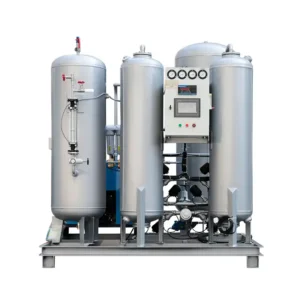
Looking for a custom ozone solution tailored to your facility’s algae control needs? Explore our full line of industrial ozone generators, or contact our water treatment experts today for a free, no-obligation system design consultation and compliance audit.